
Innovations for Cardiometabolic Disease Care in Fragile Environments
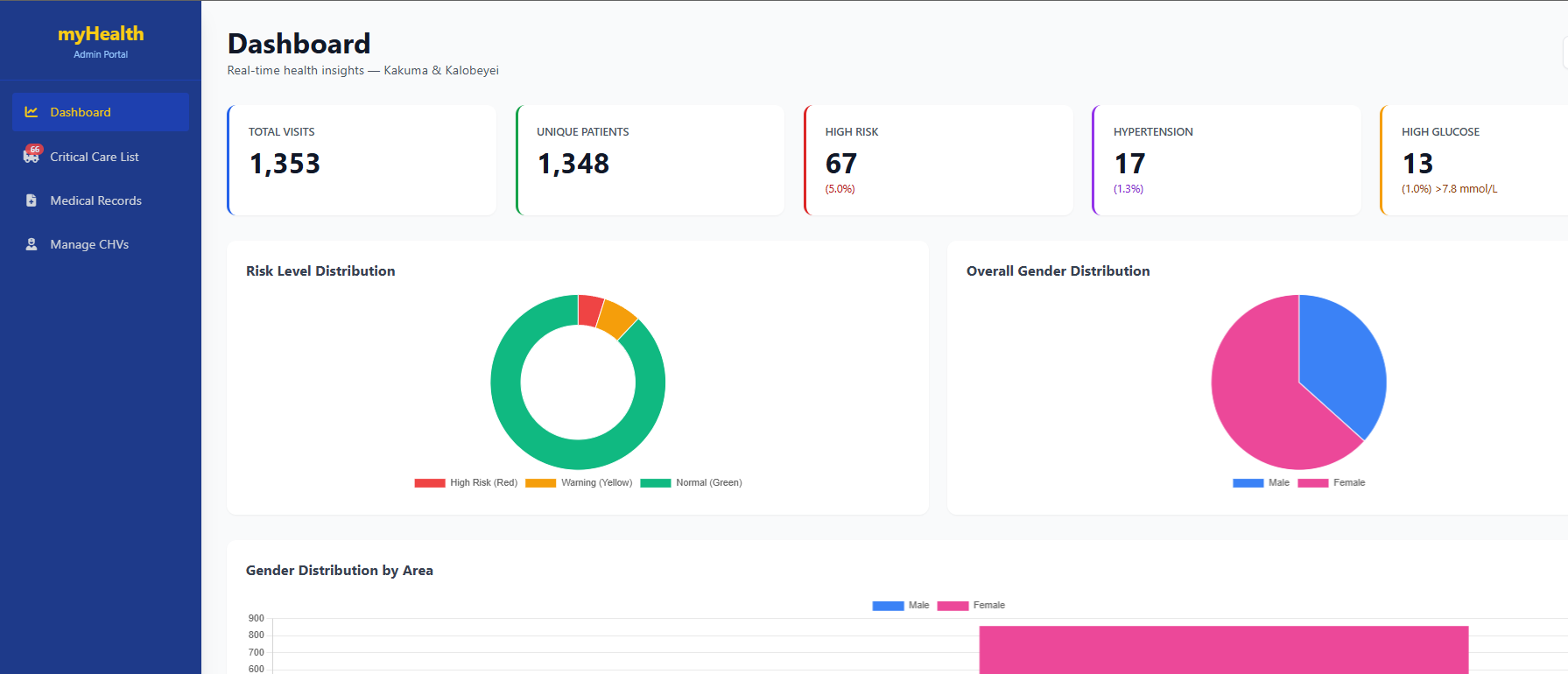
Published on April 10, 2025
Innovations for Cardiometabolic Disease Care in Fragile Environments
Location: Humanitarian Settings
Project Status: Active Rollout
Target Population: Vulnerable Populations and Displaced Communities Living with Chronic Conditions
Recognized Partners & Frameworks: Mapped within global humanitarian health innovation landscapes, including initiatives led by Elrha and the African Population and Health Research Center (APHRC)
Project Overview
Delivering uninterrupted care for cardiometabolic diseases (CMDs)—including diabetes, hypertension, and cardiovascular conditions—remains a critical global health challenge, particularly in fragile and resource-constrained environments where health systems face repeated disruption.
Remian Diagnostics Limited addresses this gap through a field-adapted, decentralized care model designed to sustain essential diagnostic and monitoring services in environments where traditional infrastructure cannot reliably function.
Our approach aligns with global evidence emphasizing continuity of care, community integration, and system resilience as the foundation for effective CMD management in humanitarian settings.
The Operational Challenge Addressed
In crisis-affected and low-resource settings, cardiometabolic care is frequently interrupted due to fragile supply chains, limited laboratory access, and workforce constraints. These disruptions significantly increase the risk of complications and mortality.
This project addresses a core systems challenge:
How to maintain continuous, safe, and scalable chronic disease care without reliance on centralized infrastructure.
Rather than replicating conventional hospital-based systems, our model is intentionally designed to function within dynamic, unpredictable environments, ensuring service continuity even during systemic shocks.
Core Project Pillars
1. Continuity-Centered Care Delivery
A resilient operational framework ensures that screening, monitoring, and follow-up services remain consistently available despite environmental, logistical, or institutional disruptions.
2. Decentralized Service Enablement
The model strengthens frontline health systems by enabling localized execution of essential care processes, reducing dependency on centralized facilities while maintaining clinical reliability.
3. Adaptive Field Integration
All components are designed for compatibility with variable infrastructure conditions, supporting deployment across rural, peri-urban, and humanitarian contexts without requiring system overhaul.
Strategic Positioning & Recognition
Global Health Alignment: Positioned within internationally recognized CMD and NCD innovation priorities in humanitarian settings
Evidence-Informed Model: Reflects global priorities, including integrated care, task-shifting, and continuity across care pathways
Regional Blueprint Potential: Designed for replication across East Africa and similar crisis-affected environments
Institutional Engagement Readiness: Structured for collaboration with ministries of health, NGOs, and multilateral organizations
Expected Impact
Strengthened continuity of care for chronic disease patients in fragile settings
Increased early detection and long-term disease monitoring capacity
Improved system resilience through decentralized service delivery
Enhanced community-level engagement and trust in chronic care systems
Sustainability & Scalability
This initiative is built as a modular and scalable implementation framework, enabling phased expansion across diverse geographies.
Its design prioritizes:
Integration into existing health systems
Adaptability to varying operational contexts
Long-term sustainability through locally anchored delivery models
By focusing on system compatibility rather than system replacement, the model supports sustainable scale without overburdening existing infrastructure.